
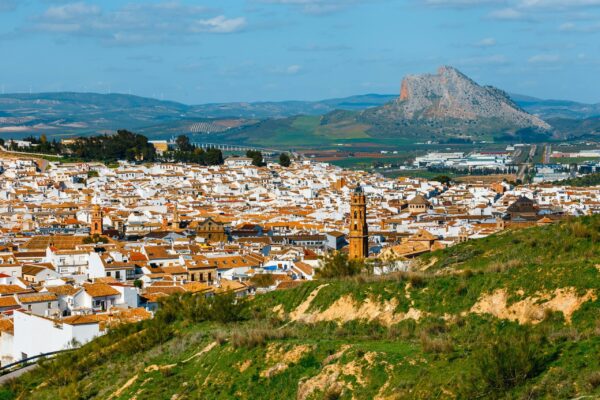
Spain is a land where every bend in the road reveals a new chapter of history. With its unique blend of coastal shores, towering mountains, and semi-deserts, this country has become a primary magnet for motorcycle tourists from around the world. Spain offers routes that satisfy even the most demanding requests, from technically challenging serpentines to relaxed rides along the ocean. Each route has its own character and a unique set of experiences. These seven journeys are seven different ways to fall in love with the Iberian Peninsula, where every kilometer is filled with adventure and aesthetic pleasure.
Mediterranean Way: From Barcelona to Málaga
This journey runs along the eastern coast, venturing deep into the mainland to find the best curves. The initial stage leads through the Cava vineyards of Penedès, where the famous Spanish sparkling wine Cava is produced, and the majestic cliffs of Priorat. The first stop in Tortosa on the banks of the Ebro River allows you to enjoy the grandeur of the river before heading to “La Ruta del Silencio.” This trail in the province of Teruel is a 63-kilometer route with minimal traffic and endless, stunning views. The path through the Maestrazgo mountains leads to Valencia, where you must visit the City of Arts and Sciences and try paella at Playa de la Malvarosa. Next, the route leads to the medieval village of Alarcón in La Mancha, where travelers can spend the night in a 14th-century fortress. The tour concludes by crossing the Sierra de Cazorla (Europe’s second-largest natural park) and descending to the Costa del Sol via the Sierra Nevada serpentines.
Classic Landmarks of Andalusia
This tour is focused on the very heart of southern Spain. Riders explore routes from the Mediterranean Sea to the Atlantic Ocean, visiting Ronda and the “Puerto de las Palomas” pass in the Sierra de Grazalema. Seville, the region’s capital, offers complete immersion into the atmosphere of the Spanish South. The next point is Córdoba with its Moorish pearl, the Mezquita. The route also covers Granada with the legendary Alhambra palace and the picturesque Albaicín. The roads of the Sierra Morena and the “White Villages,” such as Jerez and Arcos de la Frontera, add authenticity to the trip, while the views of Gibraltar provide a sense of closeness to Africa.
Roads of History: Across the Peninsula
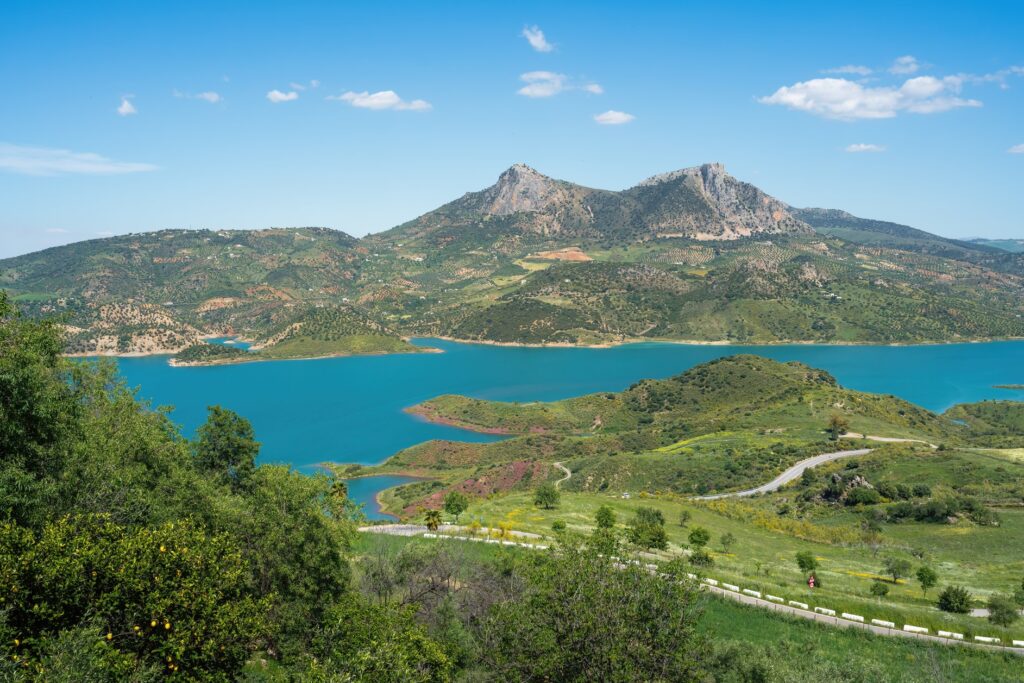
Connecting Málaga to Barcelona, this route reflects true Spanish culture. Over the course of a week, motorcyclists cross Andalusia, La Mancha, and Castile, reaching the ancient Kingdom of Aragón. Úbeda greets guests with Renaissance architecture, while Toledo, known as the “City of Three Cultures,” impresses with its medieval streets. In Segovia, the Roman Aqueduct and the Alcázar await travelers, while the path through Ribera del Duero showcases the country’s best vineyards. An overnight stay in the La Rioja region and a visit to the Moorish Aljafería Palace in Zaragoza make this journey unforgettable. The tour finishes in Barcelona among Gaudí’s architectural masterpieces.
Pyrenean Peaks and Cultural Centers
For those who prefer the coolness of the mountains and challenging mountain passes, the Pyrenees tour was created. It covers the territories of Spain, France, and Andorra. This ride is a real test for bikers, as the route passes through classic Tour de France points: Col du Tourmalet, Col d’Aubisque, and Col d’Aspin. Besides the riding thrills, the tour offers a rich cultural program in Pamplona, Bilbao (Guggenheim Museum), and San Sebastián. Travelers also have the opportunity to see the Carcassonne fortress and feel the history of the Cathars while traveling from the Mediterranean to the Atlantic coast of Costa Brava and Cantábrico.
New Year’s Drive in Andalusia
An ideal option for those looking to escape the winter cold. At the end of the year, southern Spain offers sunny weather and temperatures around 20°C. The tour covers the Cabo de Gata-Níjar Natural Park and the Velefique pass, often called the “balcony over the Sierra de los Filabres.” Riders enjoy the mountain roads of the Sierra Nevada among blooming almond trees and travel along the old “Camino de la Cabra” route. The itinerary includes stays in picturesque Paradores by the sea in Nerja and Mojácar, concluding with a festive dinner that symbolizes the start of the New Year in the Wild West atmosphere of Fort Bravo studios.
Romantic Extremadura
This tour leads to one of the last natural paradises in Europe – the center of Spain. Travelers follow the footsteps of the conquistadors in the cities of Zafra, Trujillo, and Plasencia. The roads of the Sierra Morena and Sierra de Gredos provide maximum riding pleasure. Monfragüe National Park and the Valle del Jerte impress with their flora and fauna. The Vía de la Plata, an ancient Roman trade route, leads to the Monastery of Guadalupe, a UNESCO World Heritage site. Evenings in historic palaces and monasteries converted into hotels create an atmosphere of true romance among the cork oak forests.
Moorish Pearls: Spain and Morocco
This grand two-week tour covers the former Moorish Empire across two continents. Starting in the motorcycle paradise of Andalusia with visits to Ronda, Seville, and Córdoba, it transitions smoothly into a ferry crossing to Morocco. There, unique panoramic routes in the Atlas Mountains await the riders. The journey includes walks through medieval Fez, the bustling markets of Marrakech, and a visit to the capital, Rabat. Lunches with seafood delicacies on the Atlantic coast and exploring Hemingway’s heritage in Ronda make this tour unforgettable.
Practical Tips for the Perfect Motorcycle Trip in Spain
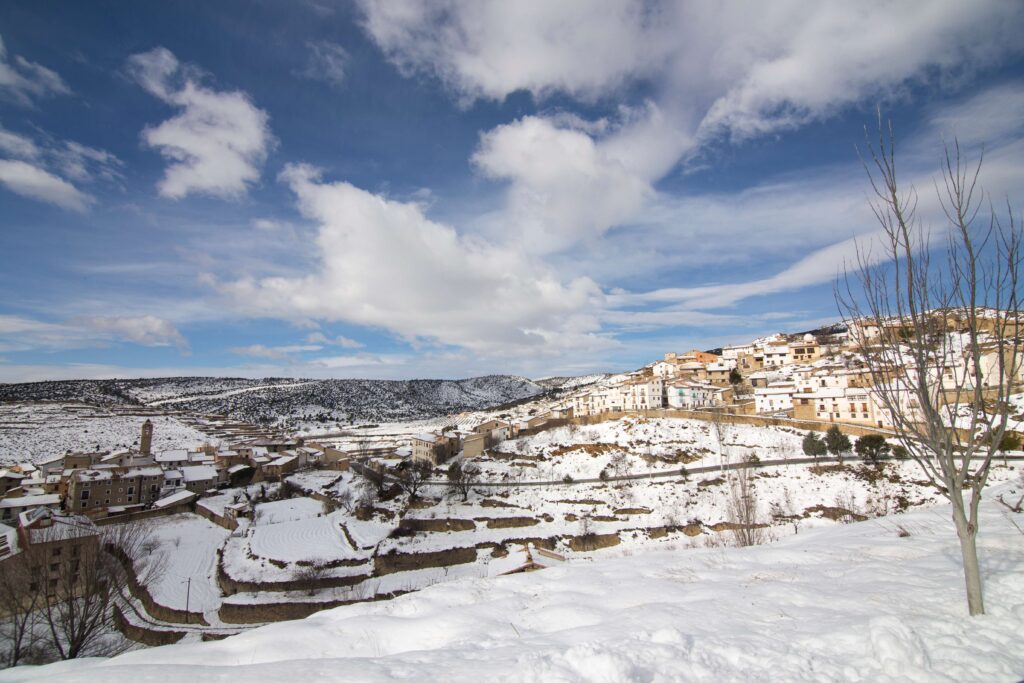
For the best experience on a motorcycle tour across the Iberian Peninsula, do not neglect advice and prepare thoroughly for the journey. Given the variety of climate zones, from the damp coolness of the northern mountains to the dry heat of the south, it is critical to select the right gear. A basic kit must include a full-face helmet, sturdy boots, leather gloves, and a suit with reliable protection. Since mountain weather is unpredictable, it is wise to carry rain gear or waterproof equipment. To avoid overpacking for your flight, a full set of gear in the necessary size can easily be rented on-site.
Attention should also be paid to the specifics of Spanish roads and the local driving style:
- Road surface and traffic: Outside of major cities, Spain offers an extensive road network with perfect asphalt and low traffic intensity. However, in sparsely populated areas like Extremadura or on sharp turns in Andalusia, be vigilant for potential surface damage after bad weather.
- Local habits: Despite standard traffic rules, Spanish drivers often neglect turn signals, may ignore stop signs, or overtake on the right. When riding in a group, it is important to maintain a safe distance and act predictably.
- Accommodation: The best routes always run away from busy highways. Deep inland is where the real Spain begins, with its “White Villages” and nature reserves. For an exclusive experience, book stays in unique historical hotels in advance.
This approach to organizing your trip allows you to fully focus on enjoying the scenery, knowing that all logistical and safety issues have been settled beforehand.
Comments are closed